
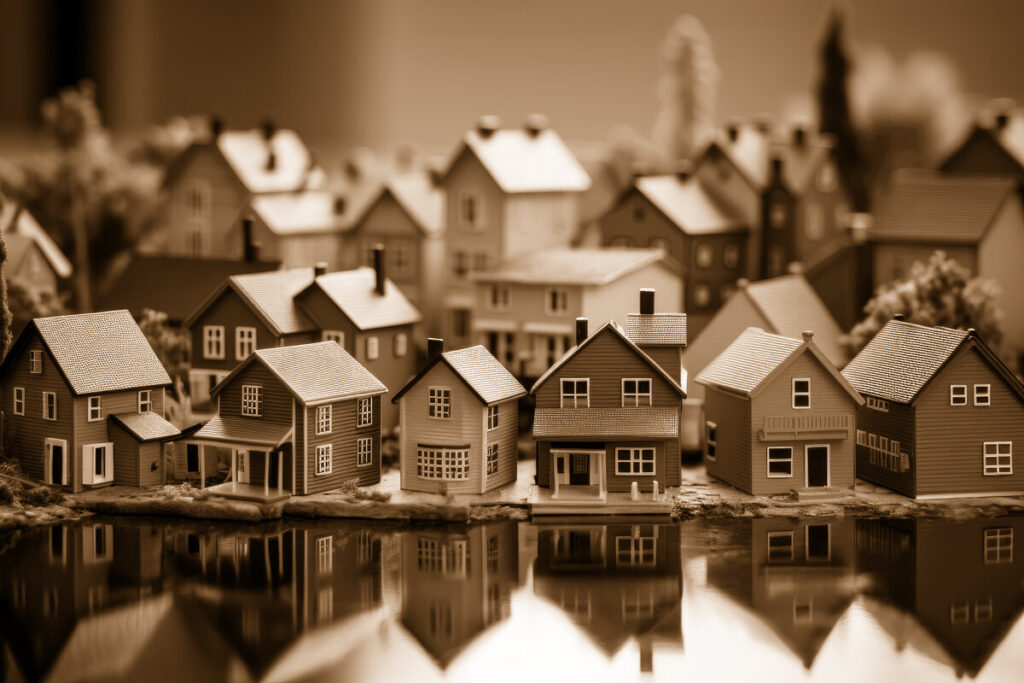
Nestled in the northern reaches of Worcester, Indian Lake East is a community both shaped by its proximity to water and enriched by generations of residents who have called it home. To stroll along the shaded sidewalks of streets like Ararat, Grove, or Hamilton is to brush against the past—a tapestry woven from industry, recreation, and enduring local character.
Origins of Indian Lake East
Indian Lake itself, formerly known as North Pond in colonial times, has always been pivotal to the neighborhood’s identity. The name “Indian Lake” was adopted in the late 19th century, a nod to stories—sometimes mere legend—linking the area to the region’s Nipmuc peoples. While concrete ties to specific Native American settlements are contested, it’s clear that the lake and its associated streams were vital natural resources for centuries before European settlement.
The neighborhood of Indian Lake East began to truly coalesce in the late 1800s and early 1900s. As Worcester’s industrial might grew, the city expanded northward. Indian Lake, with its clean water and abundant green space, attracted those seeking respite from city bustle, as well as workers employed in new manufacturing enterprises along the lake’s southern edge.
Historical Milestones
Several milestones mark Indian Lake East’s transition from rural outpost to vibrant neighborhood. Early in the 20th century, the creation of the public beach at Shore Park transformed the area into a summertime destination. The construction of Ararat Street, a key artery spanning east to west, accelerated residential development by improving access to downtown.
By the 1920s, single-family homes dominated streets like Hamilton Street and Lake Avenue North, with sturdy triple-deckers appearing for families drawn by booming factory jobs. The extension of streetcar lines up Grove Street tied the neighborhood more closely to Worcester’s urban core, creating a commuter corridor that thrives to this day.
Landmarks and Local Institutions
Indian Lake East boasts an array of landmarks, both grand and humble, that have anchored community life for decades.
- Shore Park: The sandy shoreline and sweeping lake views at Shore Park have hosted generations of swimmers, picnickers, and community gatherings. Every summer, its playgrounds and pavilions echo with laughter, while winter sees skaters take to the frozen lake.
- Our Lady of Czestochowa Church: Located on Ward Street, this historic Catholic church has long served as a spiritual and social center for Polish-American residents and their families.
- Lake View School: Once an institution busy with the neighborhood’s children, the school stands today as a reminder of the area’s steady population and commitment to education.
- The Old Hamilton Street Fire Station: Though repurposed over the years, this handsome brick building speaks to a time when neighborhood firehouses were community hubs—a legacy honored in local lore.
- Indian Lake Yacht Club: On Lake Avenue North, this longstanding club once symbolized the area’s embrace of water sports and social activity, fostering connections among generations of lake-loving residents.
Streets with Stories
Each block in Indian Lake East carries echoes of its distinct past. Grove Street, stretching from the lake south toward downtown, has always been both a border and a bridge, channeling the city’s energy into the neighborhood while maintaining its leafy character. Hamilton Street, rich with the hum of local businesses and eateries, remains a testament to the entrepreneurial spirit of successive immigrant communities.
Ararat Street, curving gently eastward from Grove to Hamilton, reflects the neighborhood’s diversity in its houses: stately Victorians, modest bungalows, and tidy ranches intermingle, each bearing the imprint of the families who settled here across decades.
Evolution Across Decades
The story of Indian Lake East is one of adaptation. The neighborhood weathered the rise and fall of mills, the expansion of Worcester’s highway network, and the suburbanization trends that reshaped much of New England in the postwar era. When the Worcester Cold Storage fire in 1999 sent shockwaves through the city, Indian Lake East residents, like those across Worcester, rallied around public safety improvements, boosting neighborhood watch programs and supporting new community initiatives.
Today, the neighborhood remains a popular choice for those seeking both urban conveniences and natural beauty. Young families are drawn to the parks, good schools, and relative tranquility; longtime residents treasure block parties and the tight-knit feel found on streets like Burncoat and North Parkway. The shores of Indian Lake continue to provide recreation, while small businesses and eateries—some legacy establishments, others bold new ventures—line Hamilton and Grove.
What Makes Indian Lake East Special
Few neighborhoods so gracefully straddle urban bustle and lakeside calm as Indian Lake East. Here, Worcester’s industrious spirit meets nature’s serenity, and generations of neighbors sustain traditions as old as the trees that shade Shore Park.
Residents swap gardening tips, compete in friendly boat races, and unite for causes both local and global. The area’s vibrant immigrant history continues to ripple outward, infusing everyday life with warmth and diversity—seen in church festivals, represented in school classrooms, and tasted in the variety of cuisines on offer.
Above all, Indian Lake East endures because of its people. They are stewards of its parks and waterways, guardians of its history, and optimistic architects of its future.
In Closing
To know Indian Lake East is to appreciate the layers of Worcester’s past—from its watery origins and factory-fueled growth to its steadfast community spirit. Step onto Hamilton Street, take in a sunset at Shore Park, and you’ll understand what longtime neighbors already know: Indian Lake East is, and always will be, one of Worcester’s true gems.